Can You Use Dslr Lenses on Mirrorless Camera
DSLR vs mirrorless cameras in 2022: it'southward not every bit one-sided as you might call up!
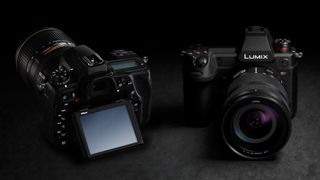
The DSLR vs mirrorless comparison raises a lot of interesting questions about photographic camera design and where it's heading. The conventional wisdom is that mirrorless cameras are the future and that DSLRs are a dying breed. Information technology doesn't help that camera makers seem to have reached the aforementioned conclusion! Simply before we consign the DSLR to history, let's bank check that we're non losing as much as we're gaining.
DSLRs and mirrorless cameras differ in their construction and design, just not in their sensors, image quality, technologies and features. A Nikon D850 DSLR will give the aforementioned image quality as a Nikon Z7 II, which has essentially the same sensor – bar a few more than recent developments in paradigm processing.
The differences are elsewhere, both on the exterior in terms of body design and inside in terms 4K (or fifty-fifty 6K or 8K) video capture. But a huge gene, and 1 that shouldn't exist forgotten, is personal preference. Ultimately, your choice between mirrorless and DSLR volition likely come up downward to which one you like more!
So allow's break downwardly the key differences, one by ane, to see where the advantage lies.
Mirrorless vs DSLR in 2022: arguments for and against!
i. The mirror
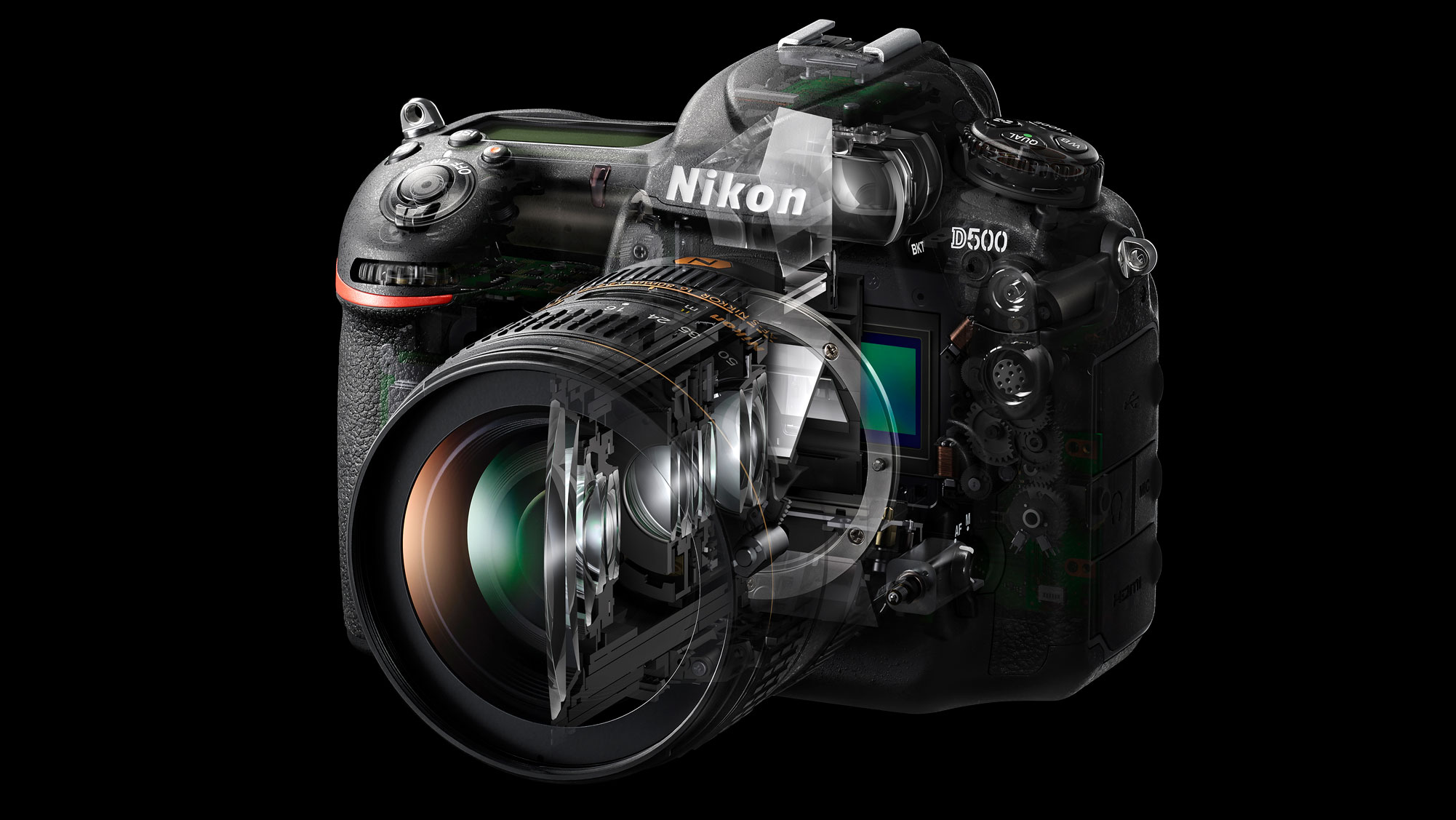
DSLRs and mirrorless cameras both show the scene through the camera lens itself as yous etch the picture, only the mode they brandish it is completely different. DSLRs use a mirror to reverberate an optical image up into the viewfinder. When you take a film, the mirror flips up so that the paradigm can and so pass to the back of the camera where the sensor is exposed to the image.
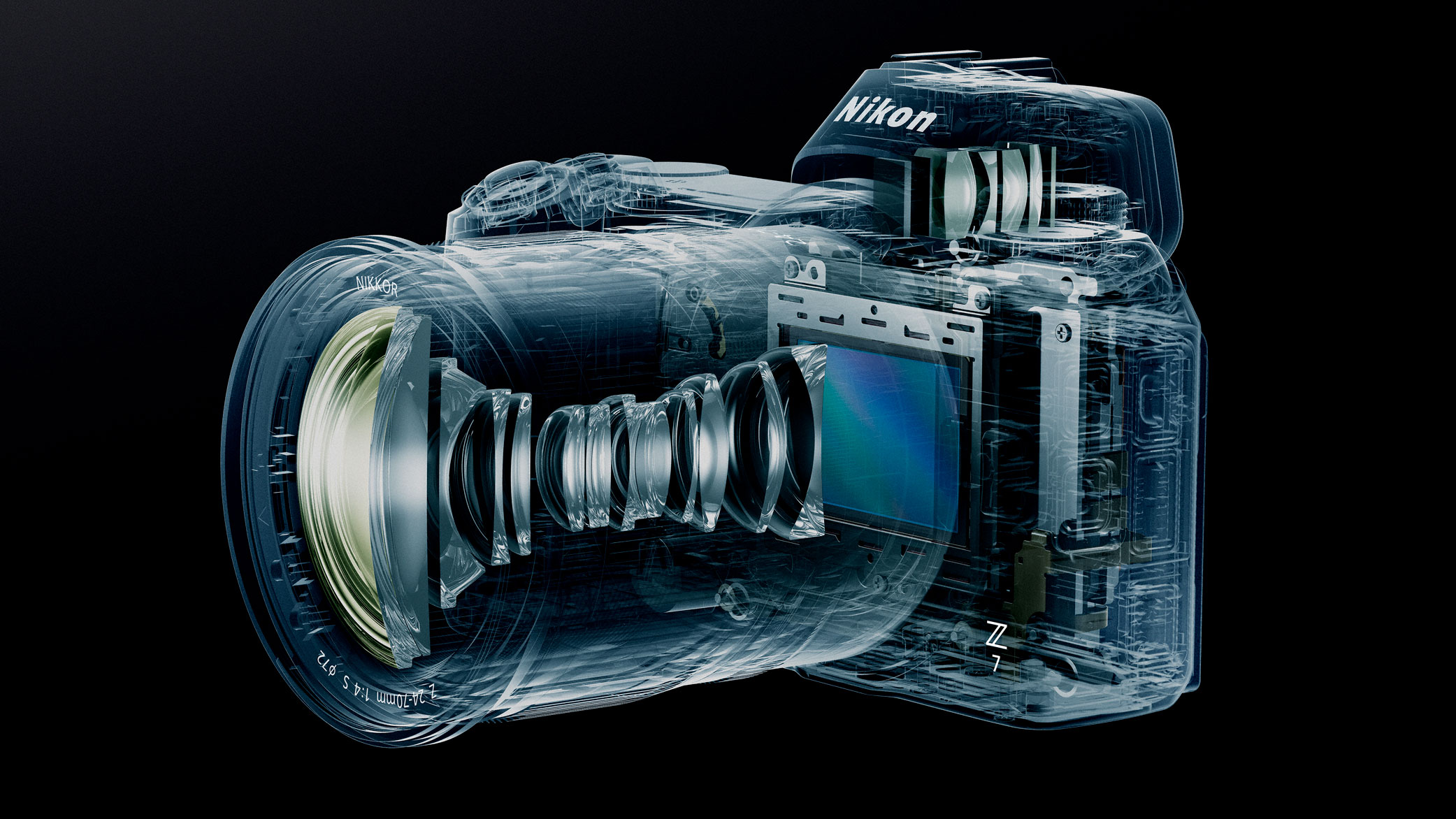
Mirrorless cameras take a different approach. They utilise the 'live view' captured by the camera sensor itself to create an electronic paradigm that tin be displayed either on the rear screen or in an electronic viewfinder. There is no mirror machinery to flip up and out of the fashion.
But what sounds like a win-win situation is a little more complicated than that. First, many people adopt the optical image of a DSLR viewfinder. 2nd, digital displays consume a lot more than power, and mirrorless cameras yet can't compete with DSLRs for bombardment life.
Read more than:
• All-time DSLRs
• All-time mirrorless cameras
2. Autofocus
When mirrorless cameras first became available, the way in which they autofocused was substantially in the aforementioned way as a compact camera, a arrangement known equally contrast-detect AF. This shifts the lens focus to and fro until the image seen by the sensor looks sharpest. This is precise but as well quite inefficient and boring.
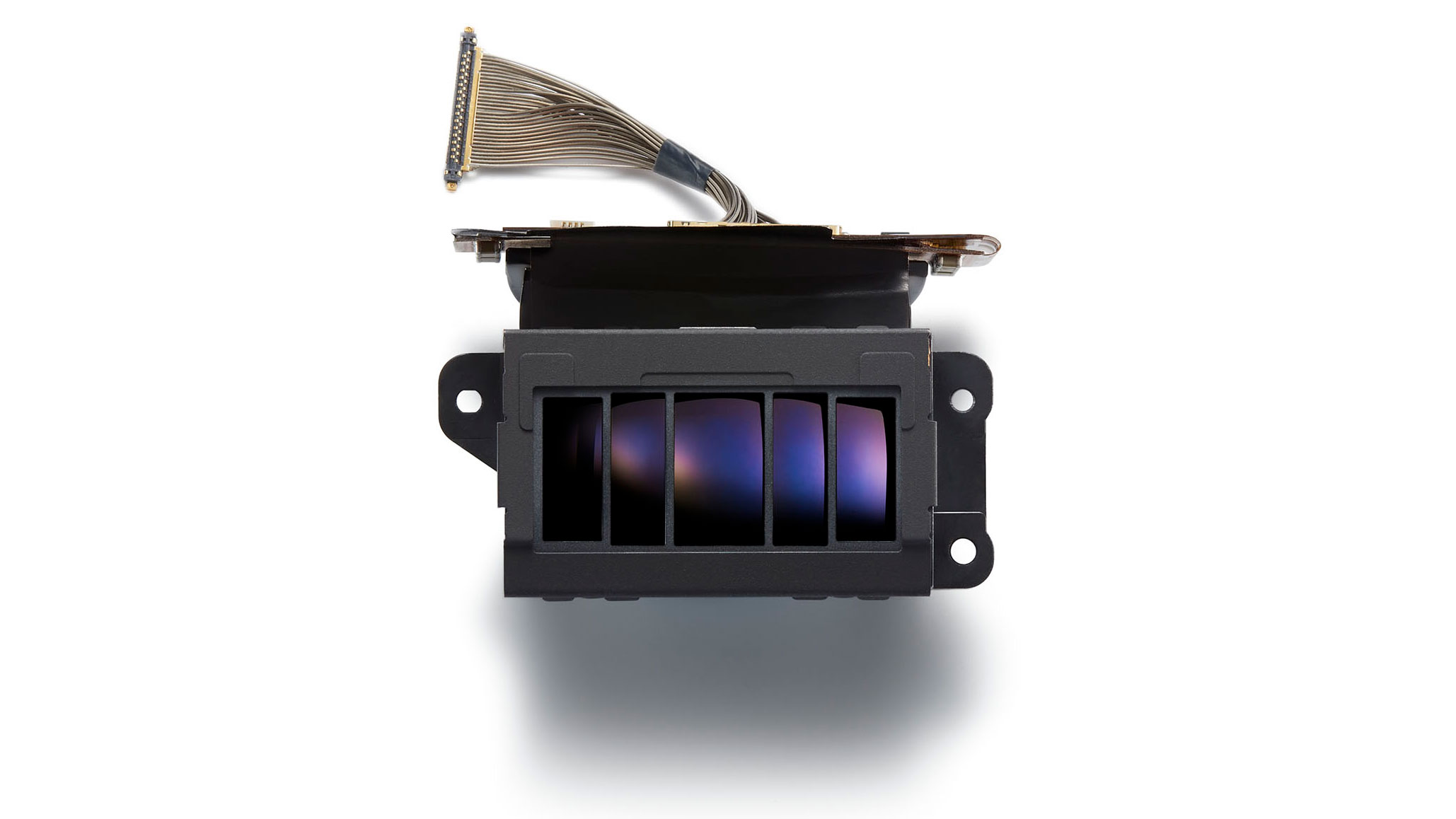
DSLRs focus using a dissimilar method chosen stage-detection AF. This is typically much faster than contrast-detect AF because it compares two versions of your field of study from two different angles and can quickly determine which manner to refocus the lens and by how much. For a long time, this gave DSLRs a serious focusing speed advantage over mirrorless cameras.
Mirrorless cameras tin can't utilize a carve up DSLR-style phase-detection sensor considering information technology would obstruct the lite reaching the sensor, and so mirrorless camera makers found the answer – they managed to integrate stage-detection autofocus into the photographic camera sensor itself. The latest hybrid mirrorless autofocus systems use phase-detection AF points for speed and contrast AF for precision, and match or surpass DSLRs for autofocus speed. What'south more than, where DSLR AF sensors can only cover the primal one-half (roughly) of the image frame, mirrorless AF systems can go correct to the edges.
An early advantage for DSLRs is gone, and mirrorless autofocus system are just as fast, simply extend over a much wider area of the scene.
DSLRs haven't only lost their autofocus advantage, they're stuck with an additional complexity. They demand one autofocus system for the optical viewfinder and another for LCD live view brandish. When you bandy from the viewfinder to live view, you also have to swap your thinking almost the autofocus modes.
Mirrorless cameras accept the big advantage that the view, and the autofocus arrangement, is exactly the same in the viewfinder and on the rear screen.
Many newer DSLRs like the Nikon D780 DSLR also have on-sensor phase-observe autofocus for fast live view shooting – but they STILL have 2 different AF technologies when swapping from viewfinder to alive view shooting.
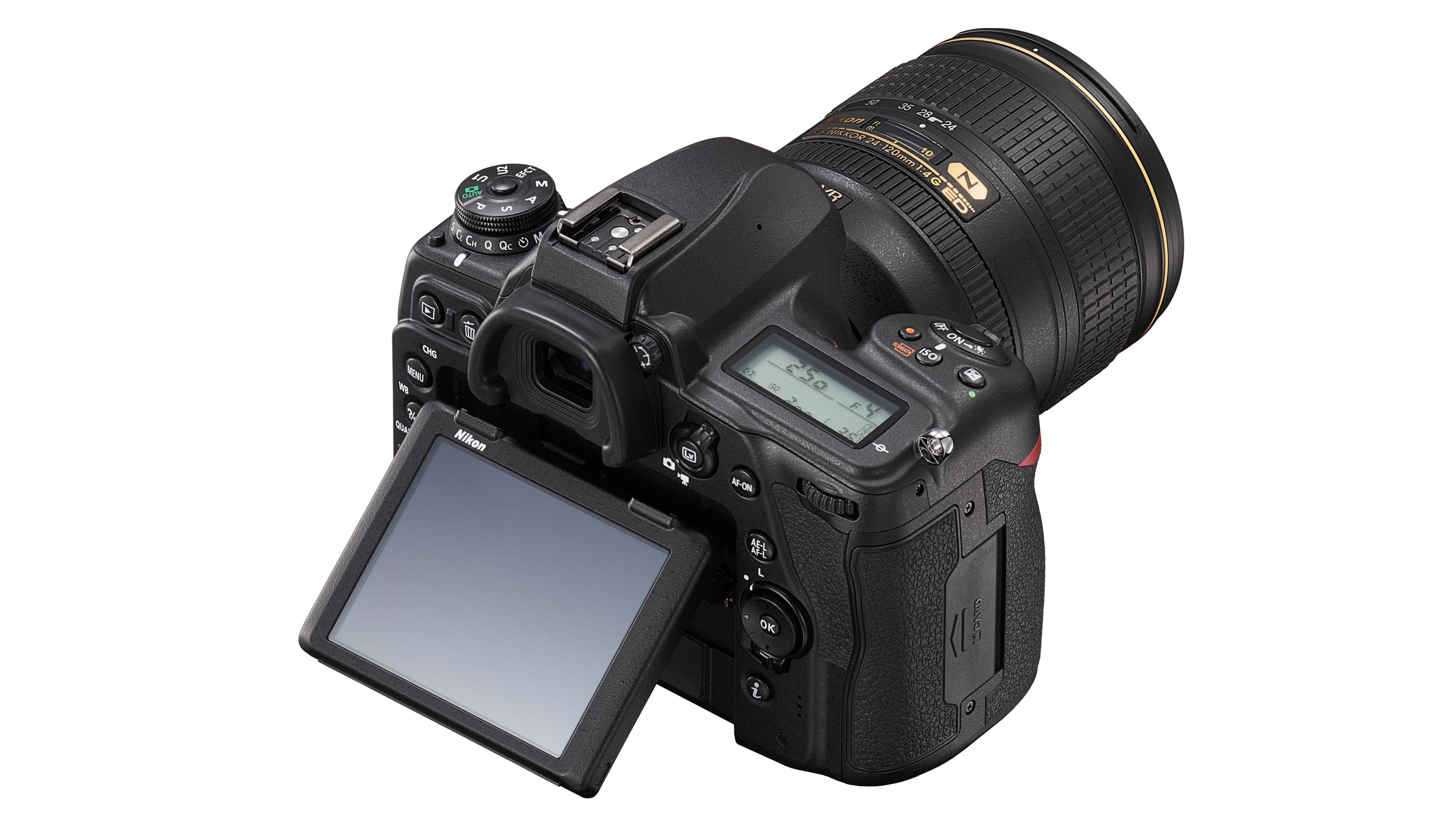
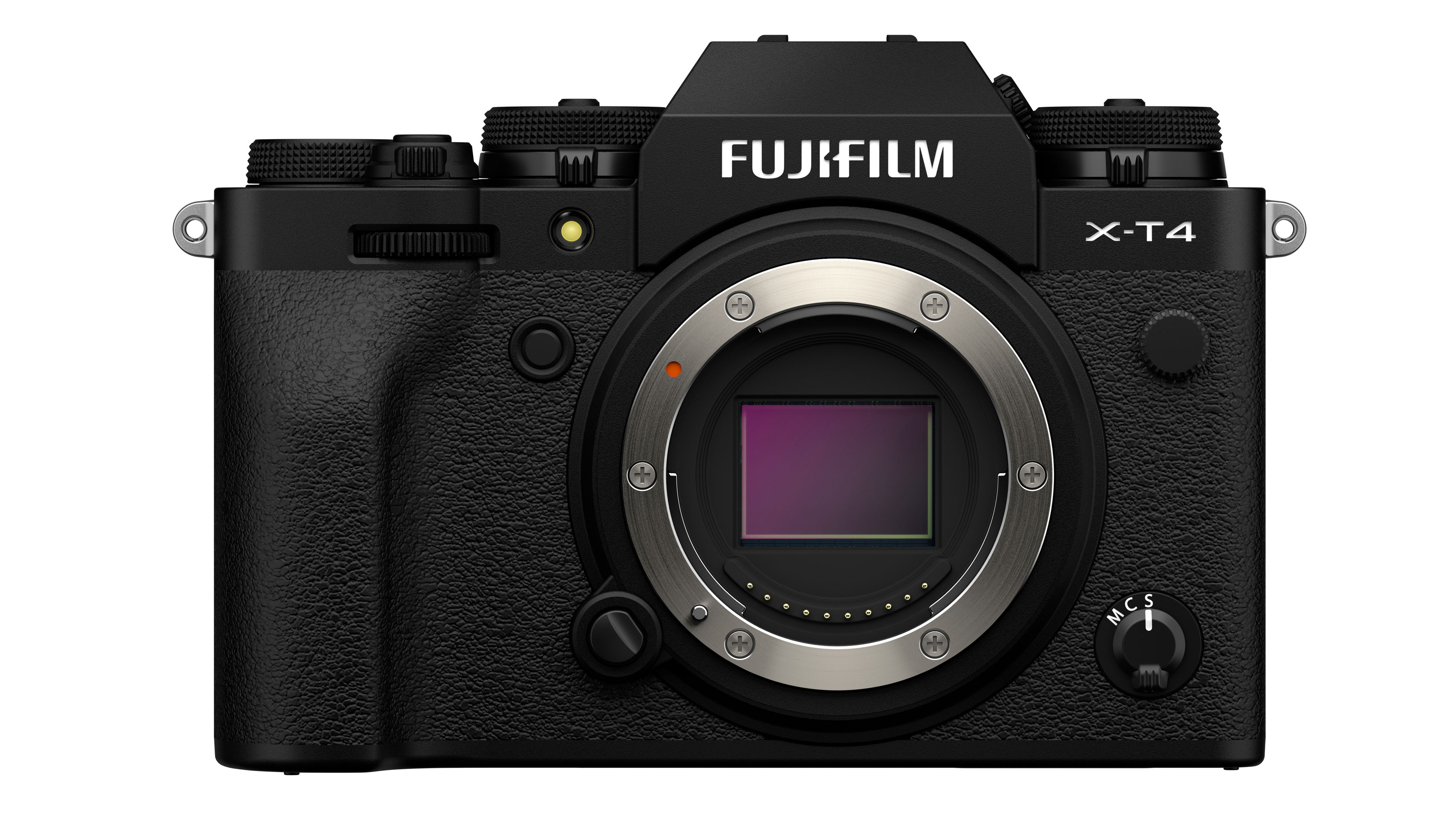
Focusing is only one attribute of the DSLR vs mirrorless design, and what makes a photographic camera suitable for a particular type of photography. Many sports photographers continue to use DSLRs rather than mirrorless cameras, partly because of AF performance but besides considering of their bombardment life, size and 'grippability' with bigger lenses.
Even and so, mirrorless cameras tin can at present be successfully used for this kind of photography where they would have previously been completely unsuitable. In fact, if you await at the capabilities of the hybrid on-sensor autofocus system in the latest Sony A7 IV, fifty-fifty DSLR diehards would accept to concede that the divide stage-detect AF systems in DSLRs are dinosaurs by comparison.
Read more:
• Best DSLRs
• Best mirrorless cameras
3. Viewfinders
The blueprint of mirrorless cameras means they demand to use electronic viewfinders. These have improved hugely in a very short infinite of time, but they can still polarise opinion. In the early days their resolution was too low to display a scene with anything like the clarity and detail of an optical viewfinder, and they had so much 'lag' when you moved the camera quickly that it was hard to follow moving subjects.
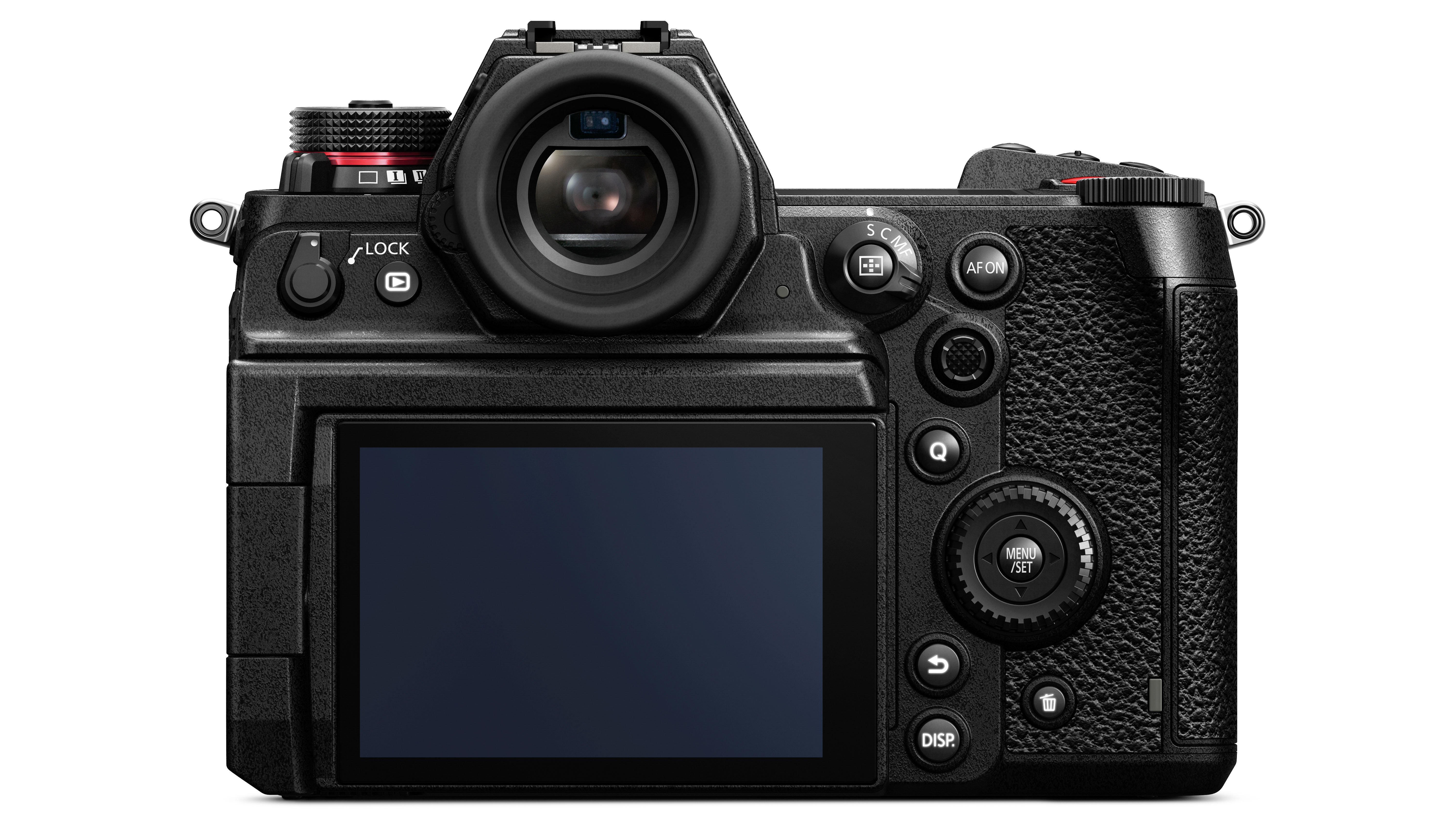
Early EVFs might have been pretty poor, only the latest and best electronic viewfinders bachelor today accept such high resolution that you can inappreciably see the 'dots' and they have a clarity that genuinely approaches optical viewfinders. Panasonic's Lumix S cameras brought the highest EVF resolution to date at over 5 million dots, and that'southward but only been beaten past the nine.44 meg dots of the Sony A1.
Viewfinder lag is less of an result than it used to be cheers to faster refresh rates, and the virtually recent area of focus for manufacturers has been in the coma effect y'all would typically run into when shooting continuous bursts of images. Sony managed to eliminate this on its A9 model, and Panasonic claims the same for its Lumix G9 .
On peak of all this, electronic viewfinders allow y'all view the paradigm with whatever changes to exposure, white balance, colour settings and so on applied instantly, something optical viewfinder cannot do.
Electronic viewfinders tin can show a more clearly visible view of a scene in low light, and have zoom functions for precise transmission focusing – two highly underrated benefits of electronic viewfinders. Because of their auto-gain light amplification consequence, electronic viewfinders let you etch and shoot images in near darkness, and have made pocket-sized-aperture telephotos like the Canon RF 600mm f/eleven and RF 800mm f/11 perfectly practical to use.
It's likewise worth pointing out that if you are a fan of vintage transmission lenses which demand to be used in stopped-down mode, a DSLR viewfinder volition exist way besides dark only a mirrorless EVF will exist fine.
But earlier we presume an EVF is best at everything, in that location are a couple more things to consider
What's good almost optical viewfinders
Many photographers prefer the 'naked eye' view of an optical viewfinder over a digital rendition. It'south a mistake to presume electronic viewfinders are inherently more 'accurate' because the display depends not only on the photographic camera settings (which you may change afterwards if you lot shoot RAW images) but on the quality, contrast ratio and calibration of the viewfinder panel itself. These often display more contrast than the captured image, for case, and can mislead you into correcting exposure settings that don't demand correcting.
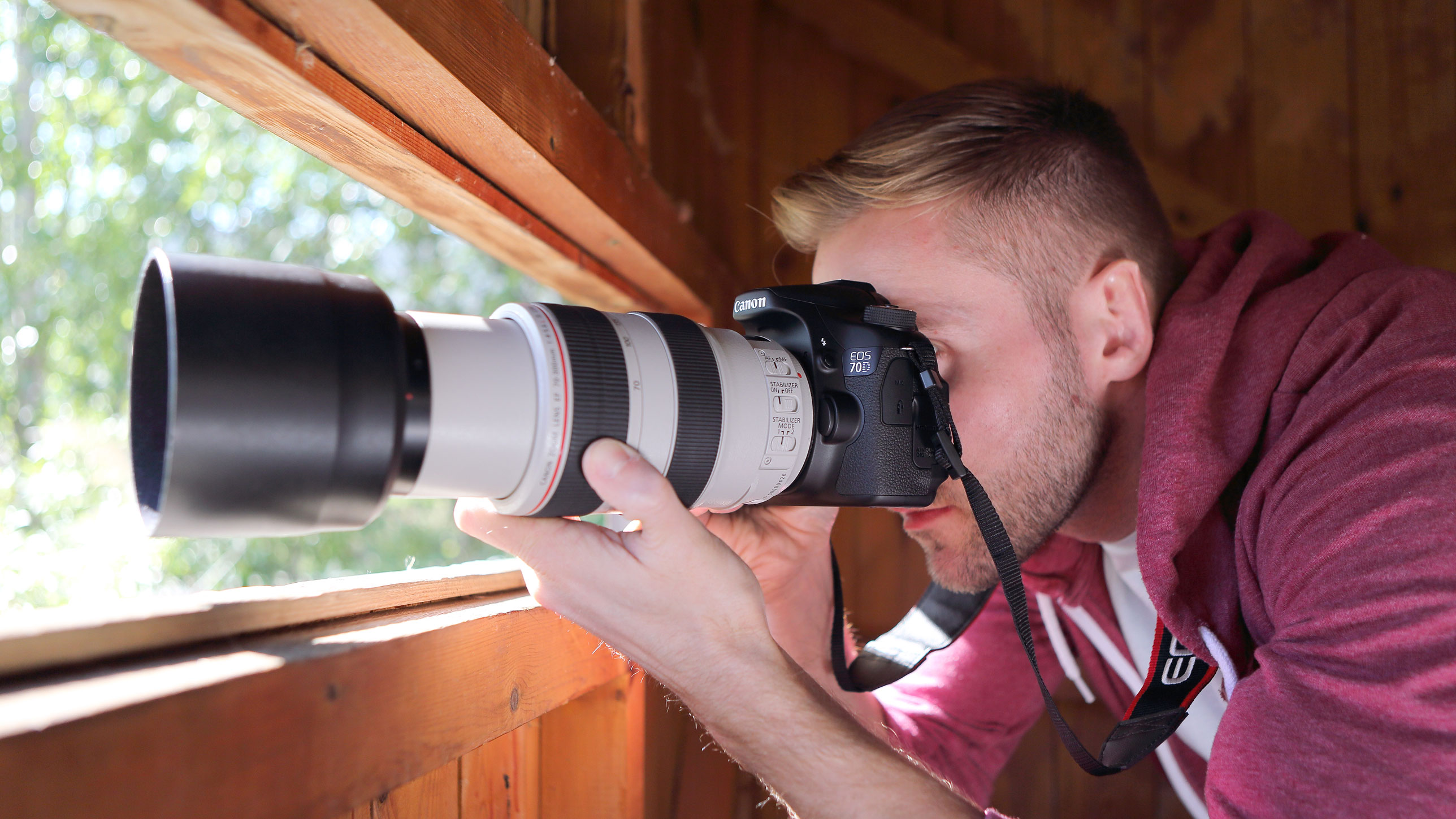
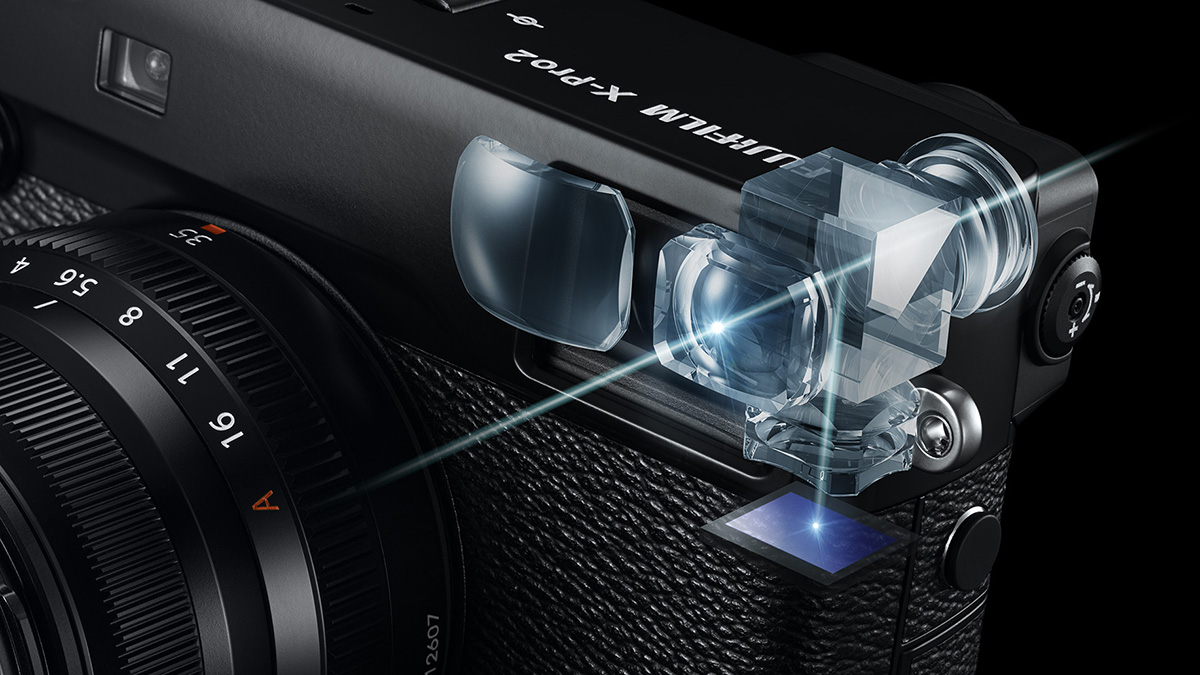
Optical viewfinders have another key advantage that'south especially relevant for sports and action photographers. There is unavoidable screen blackout in the camera's outburst shooting mode as the mirror flips up and down between exposures, only this is rarely an issue – the key bespeak is that at that place is no lag, and it'due south much easier to follow a fast-moving discipline with a loftier-speed DSLR like the Nikon D500, for example, than it is with the average mirrorless camera.
The gap is closing equally EVF resolution, data readout and processing speed improvements bring electronic viewfinders every closer to the performance of the optical kind, but 'blackout-free' EVFs are still typically found only on more expensive mirrorless models.
Read more:
• Best DSLRs
• Best mirrorless cameras
4. Battery life
Fifty-fifty very basic DSLRs volition happily offer 600 shots per battery charge, only the entry-level Nikon D3500 DSLR, for example, tin can capture upward to one,550 images on a single charge. The very best pro DSLRs can rattle off almost 4000 frames per charge, although this is admittedly with considerably larger batteries. With the Nikon D6 pro DSLR, Nikon claims a stunning battery life of 3,580 shots – and twice that if the photographic camera is used for loftier-speed continuous shooting.
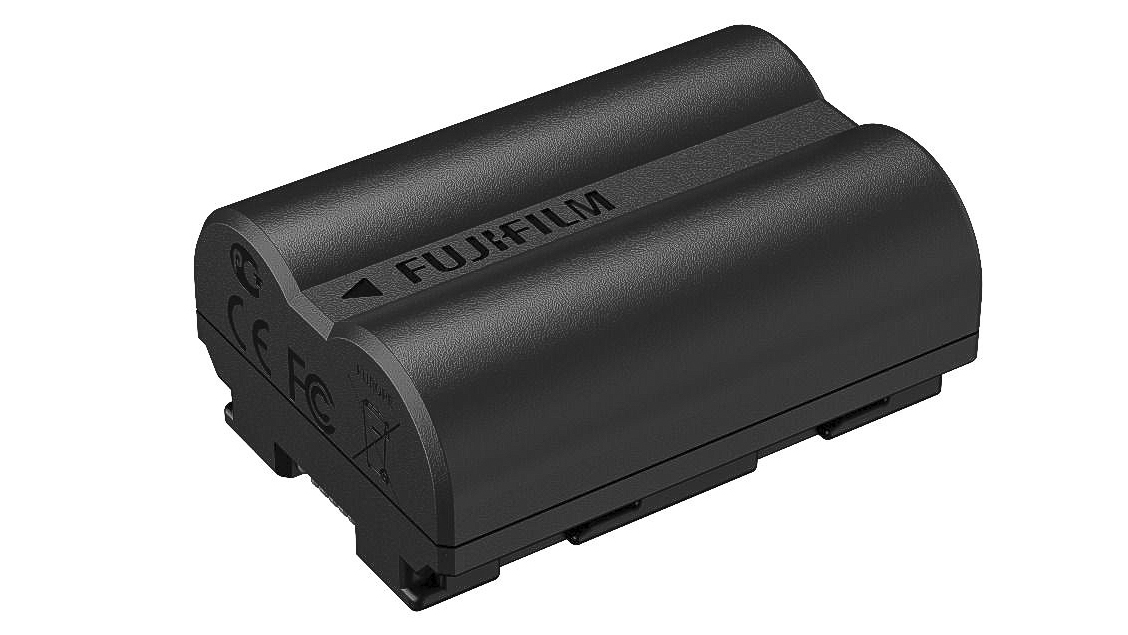
Mirrorless cameras, still, fare far less impressively here, with around 350-400 frames per accuse being the norm while some are a whole lot less. The Sony A7R III ushered in an extended 650-shot battery life almost double that of its predecessors, and the Sony A7R IV even improves on that slightly, so that'south a significant step frontwards, merely the Canon EOS RP can only manage 250 shots. Battery life is an issue for mirrorless cameras, but why is this?
Mirrorless cameras are inherently more dependent on battery power than DSLRs. Either the LCD brandish or the electronic viewfinder is on all the time. Furthermore, the fact that most manufacturers try to brand mirrorless models every bit small-scale as possible means that their batteries are also small, which as well presents a limit on their capacity.
Many mirrorless cameras as well have image stabilisation built into their bodies, such as the Fujifilm X-T4, which further reduces bombardment life (although you'll also notice battery life to exist less impressive when using lens-based epitome stabilisation on either DSLR or mirrorless cameras).
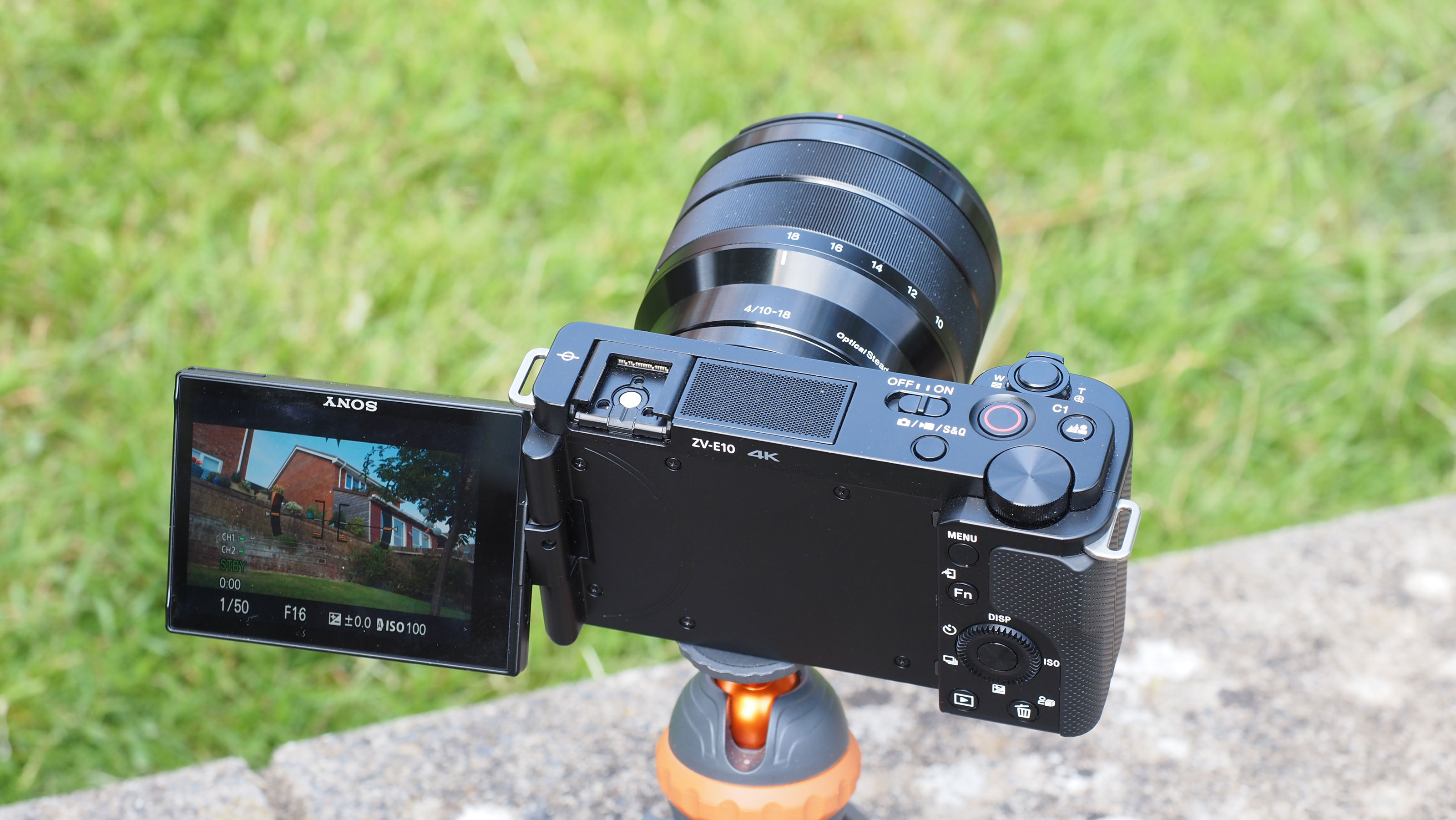
Of course, you tin can purchase spare batteries for cameras in both camps, then whether this is every bit neat an issue or not is debatable. One reward of mirrorless cameras, even so, is that many now offer charging through their USB ports, like the Sony A6400, which is very user-friendly when travelling, though this is starting to appear on DSLRs like the Nikon D780 too.
Read more:
• All-time DSLRs
• Best mirrorless cameras
5. Size
The near often claimed reward of mirrorless systems is that they are much smaller than DSLRs. This is the main sell of mirrorless systems: the same size of sensor and epitome quality every bit offered by a DSLR without the majority.
But there are frequently trade-offs in making a mirrorless camera body and so compact, such as battery life, the way a camera handles with larger lenses, and how much infinite there is for external dials and buttons.
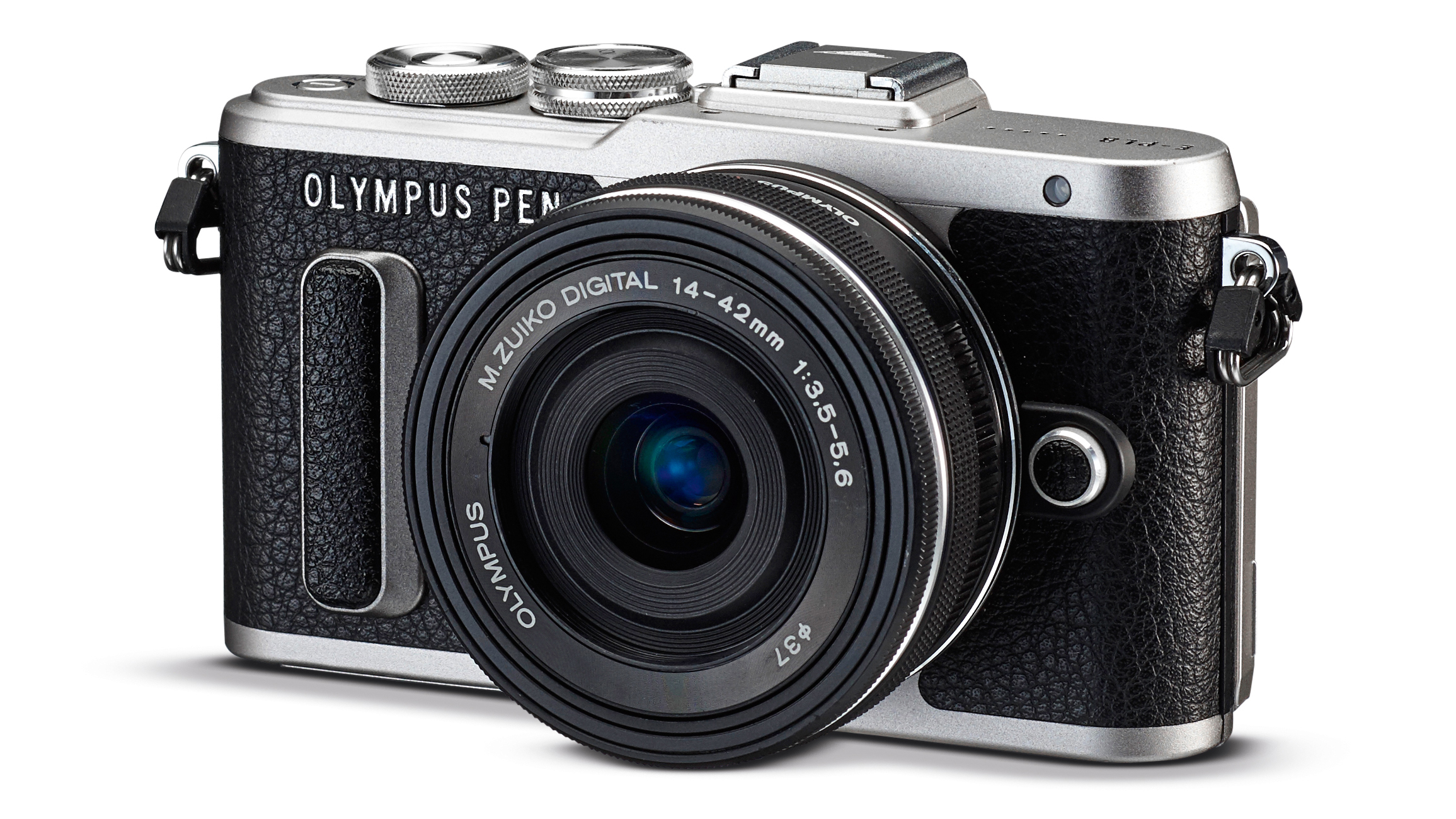
Small bodies also means modest controls, and users with larger easily may not notice smaller mirrorless bodies like shooting fish in a barrel to employ. This extends to touchscreens too, with virtual buttons and controls oftentimes as well minor for and then to be keyed comfortably, so although the Nikon D850 DSLR seems huge in comparing to today's total frame mirrorless camera, many of its pro users will prefer its size because information technology makes it much easier to see and change photographic camera settings – and considering information technology balances better with big lenses, which is what we cover in the next section.

Read more than:
• All-time DSLRs
• Best mirrorless cameras
half-dozen. Lenses
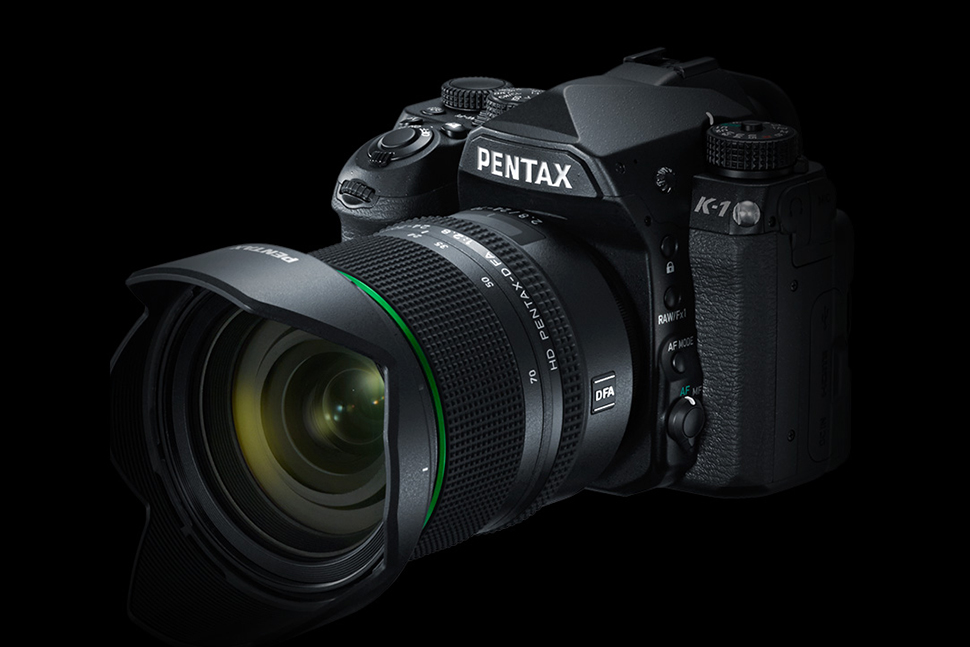
DSLRs even so have an advantage for lens choice, simply considering they've been around and supported for decades. Anyone that opts for a Canon EOS DSLR today has 30 years' worth of native optics to choose from, and many more than when yous factor in uniform 3rd-party options. Nikon and Pentax are in a similar position with their DSLR ranges.
All the same, there are signs that DSLR makers are scaling back their DSLR lens production, and the evolution of new DSLR lenses has certainly slowed. Canon and Nikon at present put almost all of their lens development effort into mirrorless lenses. Not only that, wider mirrorless lens mounts and shorter back-focus 'flange' distances have given lens designers a blank slate, and many new mirrorless lenses out-perform older DSLR equivalents.
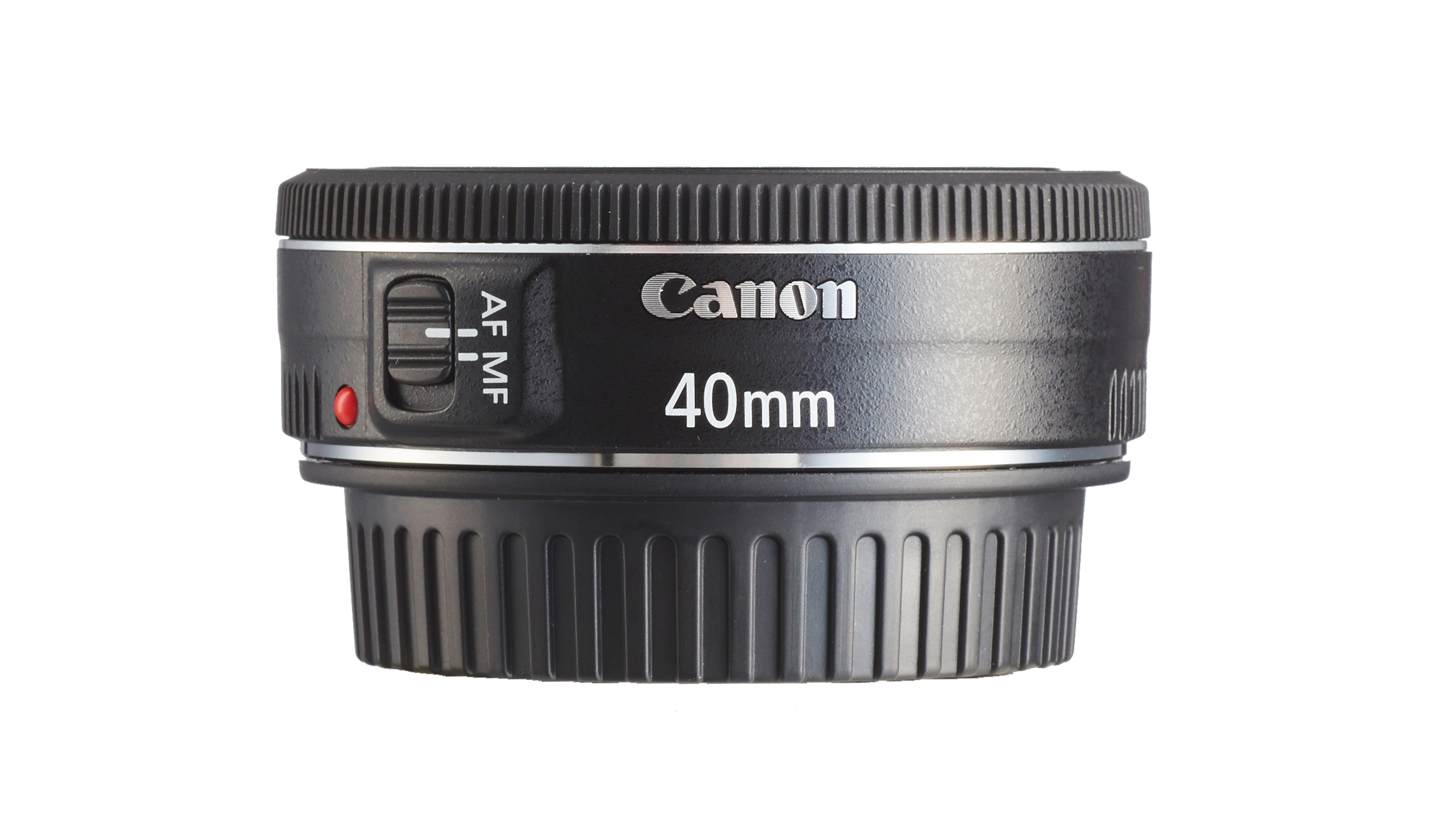
It hasn't taken Sony long to assemble an impressive range of lenses for its full-frame FE mountain mirrorless cameras (see our list of the best Sony lenses), and Panasonic has been smart enough enter into an L-Mountain Alliance with Sigma and Leica to ensure that information technology's already supported with a large and growing lens range. See our guide to the best L-mount lenses for more.
Nikon and Canon have been especially clever with their new full frame mirrorless cameras. The Nikon mirrorless Z six and Z 7 have a steadily increasing number of native lenses, but you can also get an FTZ mountain adaptor for using any of Nikon's electric current DSLR lenses without restriction. Canon has also launched lens adapters for its EOS R full-frame mirrorless cameras, opening up its entire range of EF DSLR lenses to these cameras.
It still takes time, though. Nikon's new 'babe' DX mirrorless cameras, the Nikon Z50 and Nikon Z fc, still have just three native APS-C lenses.
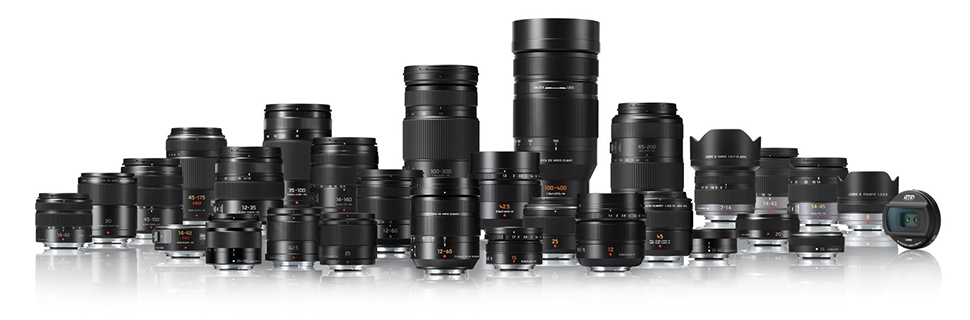
Fujifilm and Olympus have also had fourth dimension to develop their own native lens systems, to the degree that none of the mirrorless camera brands is at present at whatsoever real disadvantage regarding lens choice (see our list of the all-time Fujifilm lenses, for instance).
Simply are mirrorless lenses really smaller?
This is where the mirrorless bubble is in most danger of bursting. Mirrorless camera makers can indeed demonstrate that their camera bodies are a lot smaller than their DSLR counterparts, but the same can't exist said for their lenses.
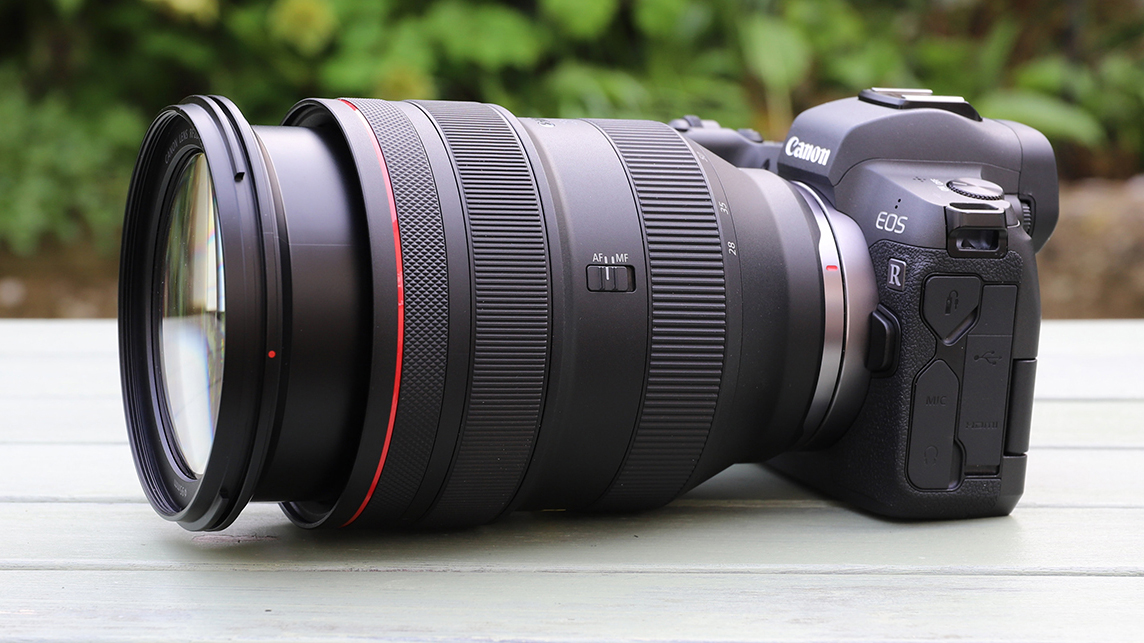
It's an inescapable fact that it's the sensor size that largely determines the size of the lenses that become with it. Some mirrorless makers have produced small or retracting lenses that do offer a size saving, but these come up with other compromises, and when lens makers produce mirrorless lenses to lucifer the specifications and performance of DSLR lenses, they cease upward pretty much the aforementioned size.
In fact, because mirrorless photographic camera makers are swell to exploit the potential of new, larger mirrorless lens mounts, they are coming upwards with lenses that are actually bigger and heavier than their onetime DSLR counterparts.
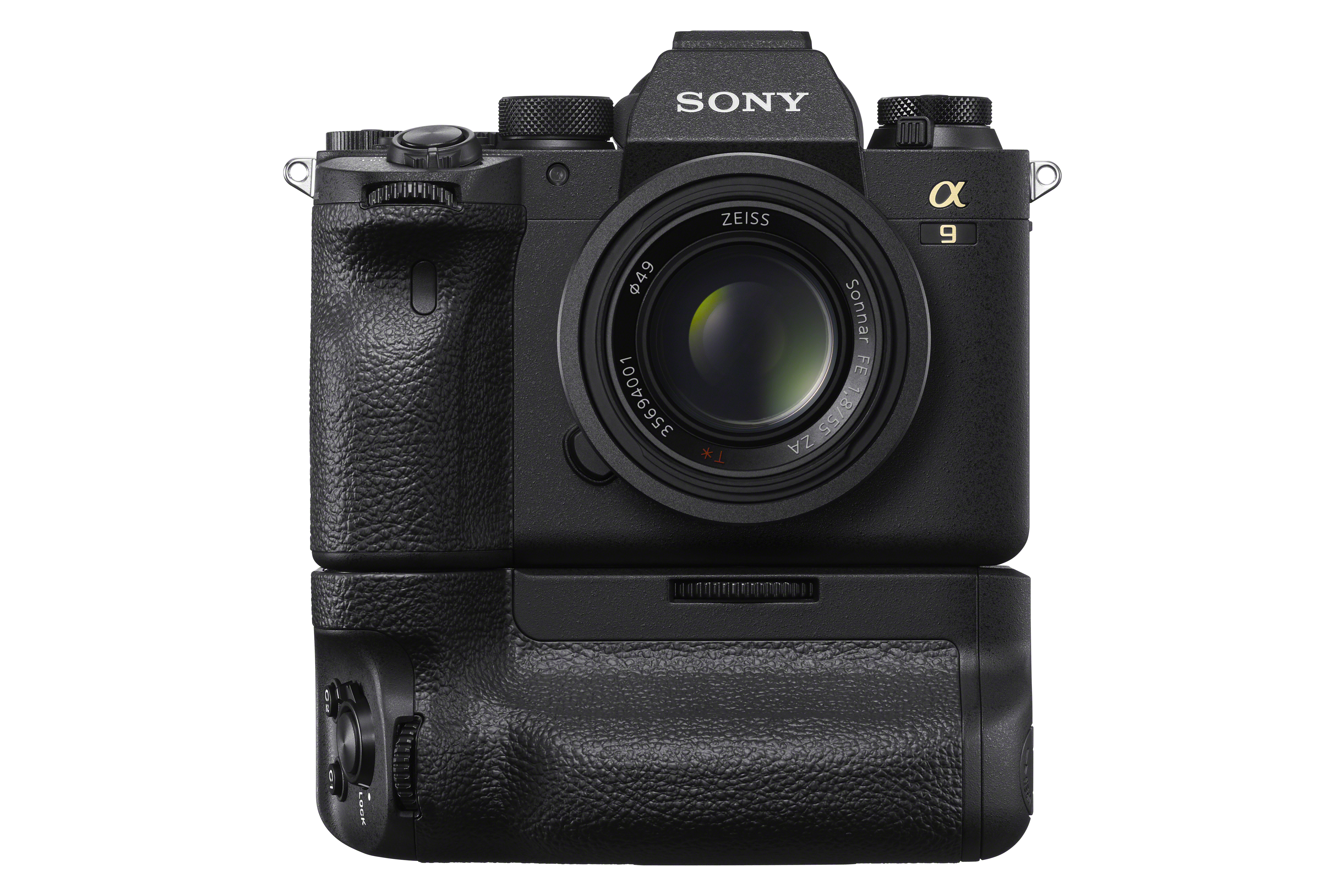
This not only undermines the 'mirrorless is smaller' argument, it produces handling problems with small-body-large-lens combinations. Sony'south A7-series camera bodies are remarkably small, but many of its lenses – peculiarly its top-quality Chiliad Chief lenses – are unexpectedly big. You might notice yourself ownership a bombardment grip for your mirrorless camera just to get in handle meliorate with your favourite lenses.
Read more:
• Best DSLRs
• All-time mirrorless cameras
7. Video
This is where mirrorless cameras have a considerable advantage, and for two main reasons. Outset, their pattern makes them much improve suited to the constant 'alive view' required for video capture. 2nd, this is where photographic camera makers are concentrating their video capture technologies and where you're going to get the best video features and performance.
DSLRs can shoot video as well
Actually, DSLRs are where mainstream video with regular interchangeable lens cameras began. The Nikon D90 brought Hd video to the consumer market place, and the Canon EOS 5D II brought DSLRs into the professional videography and film-making arena.
For today'south DSLRs, video capture is a standard feature, and the Nikon D5, D850 and Canon EOS 5D Iv offer 4K video capture, while the Nikon D780 is equally constructive for video as any mirrorless camera.
However, when it comes to 6K and 8K capture, raw or 10-scrap video, high frame rates and more, all the endeavor and evolution piece of work is going into mirrorless cameras.
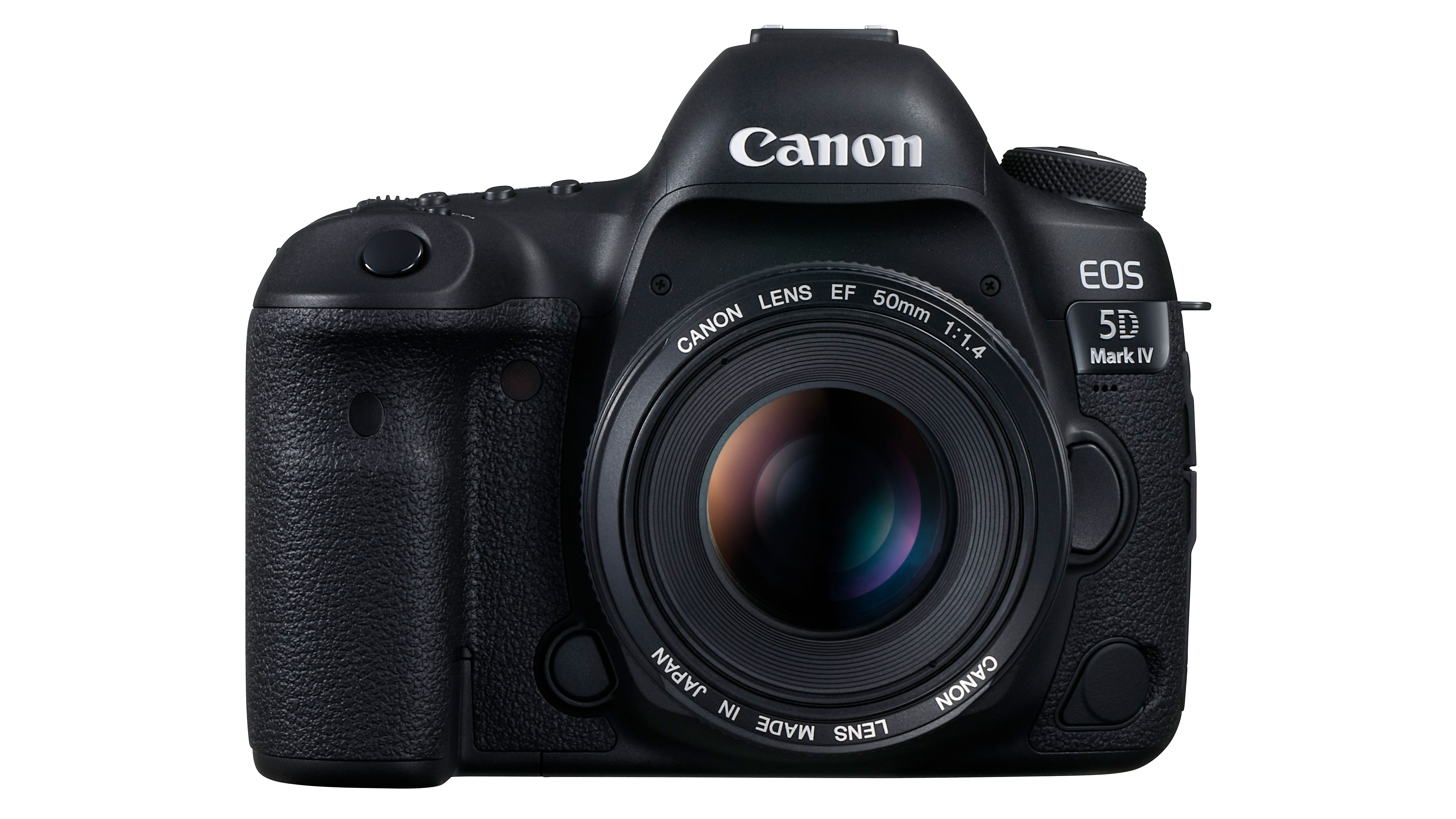
DSLRs can notwithstanding shoot video that'due south fine for commercial photographers working for clients who've started asking for this alongside still images. But the best mirrorless cameras have stretched out a big gap in features and performance to the extent where they're competing with full-on cinema cameras and broadcast-quality camcorders.
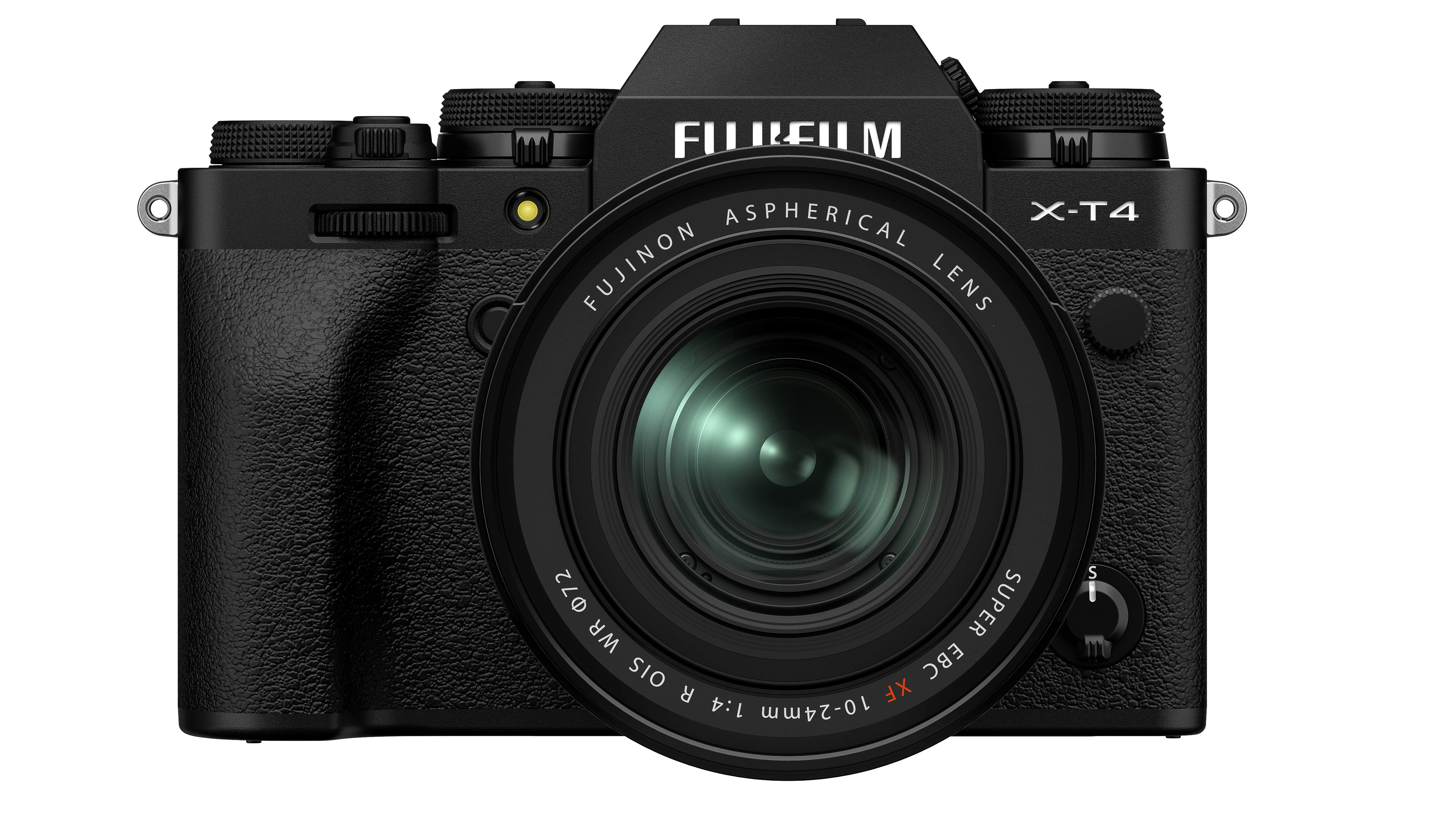
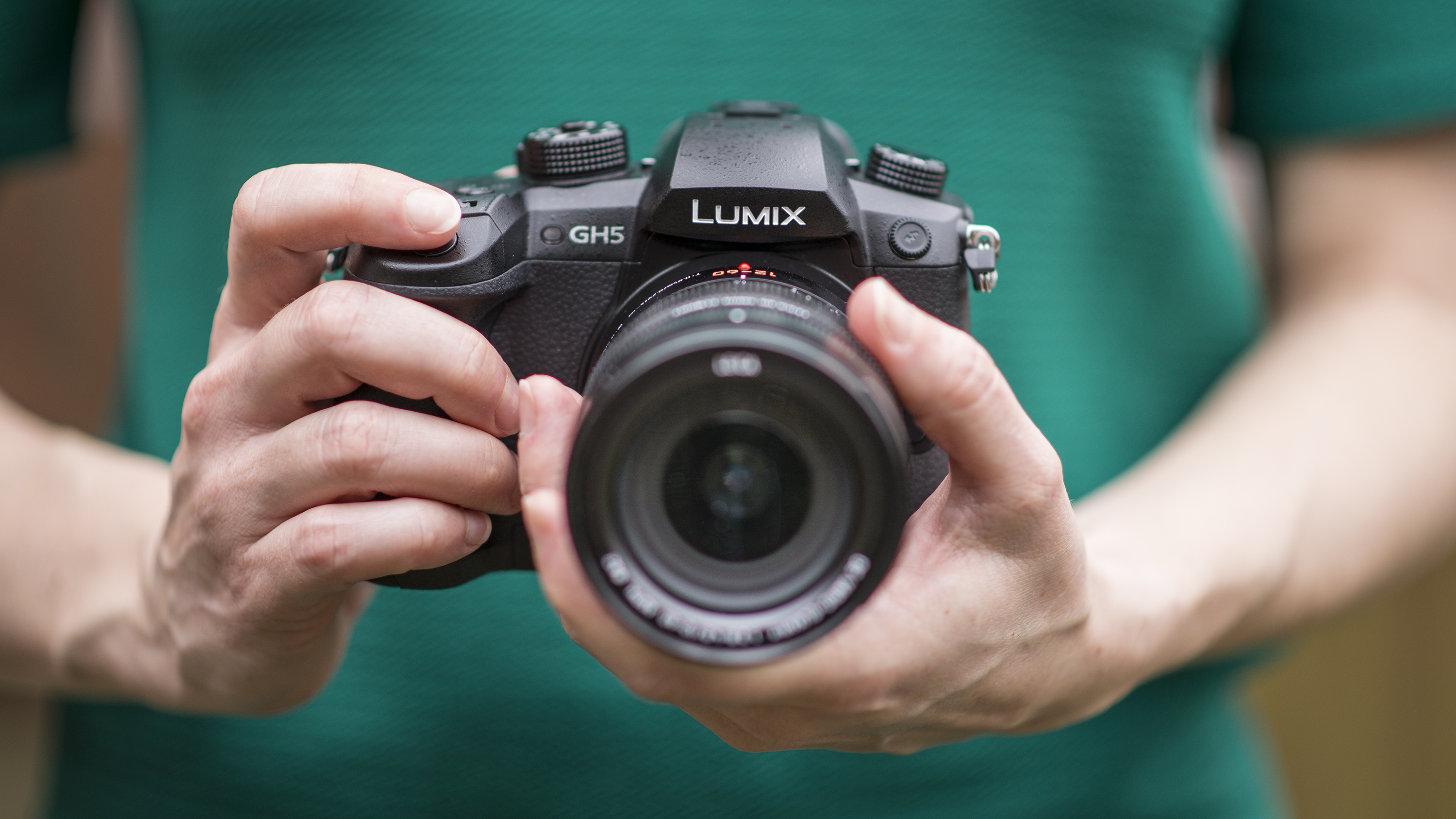
Sony has led the way with high-quality 'oversampled' 4K video in its total-frame mirrorless A7-series cameras like the A7 III, and Fujifilm and Panasonic now take cameras capable of capturing 4K video at 60/50fps for smooth 2x slow motility furnishings in the Fujifilm X-T4 and Panasonic Lumix GH5 Mark II and GH5S. The Panasonic Lumix S1H has already received accreditation from Netflix for original content creation.
• Read more: Video jargon explained
The Canon EOS R5 too got much attention for its 8K 30p video capabilities, though this has proven to exist something of a paper tiger upon the revelation that it causes the camera to overheat if it runs for longer than virtually twenty minutes. This looks like a glitch not an obstruction, as Sony has joined in with the 8K Sony A1, which can run for a lot longer.
If y'all only need video occasionally a DSLR volition be fine, just if you lot need to shoot it every bit an of import (or THE most important) part of your work, then mirrorless is the way to become. It'south not merely the cameras – mirrorless lenses increasingly feature high-tech focus actuators and silent stepping motor autofocus applied science for shine and silent focus transitions when filming; the majority of DSLR lenses were designed at a time when this wasn't even imagined.
Read more:
• All-time DSLRs
• Best mirrorless cameras
DSLR vs mirrorless: the final discussion
Despite the rush towards mirrorless camera applied science, the DSLR vs mirrorless fence is not completely one-sided. Here'due south a summary of the pros and cons of each photographic camera type.
When to choose a DSLR
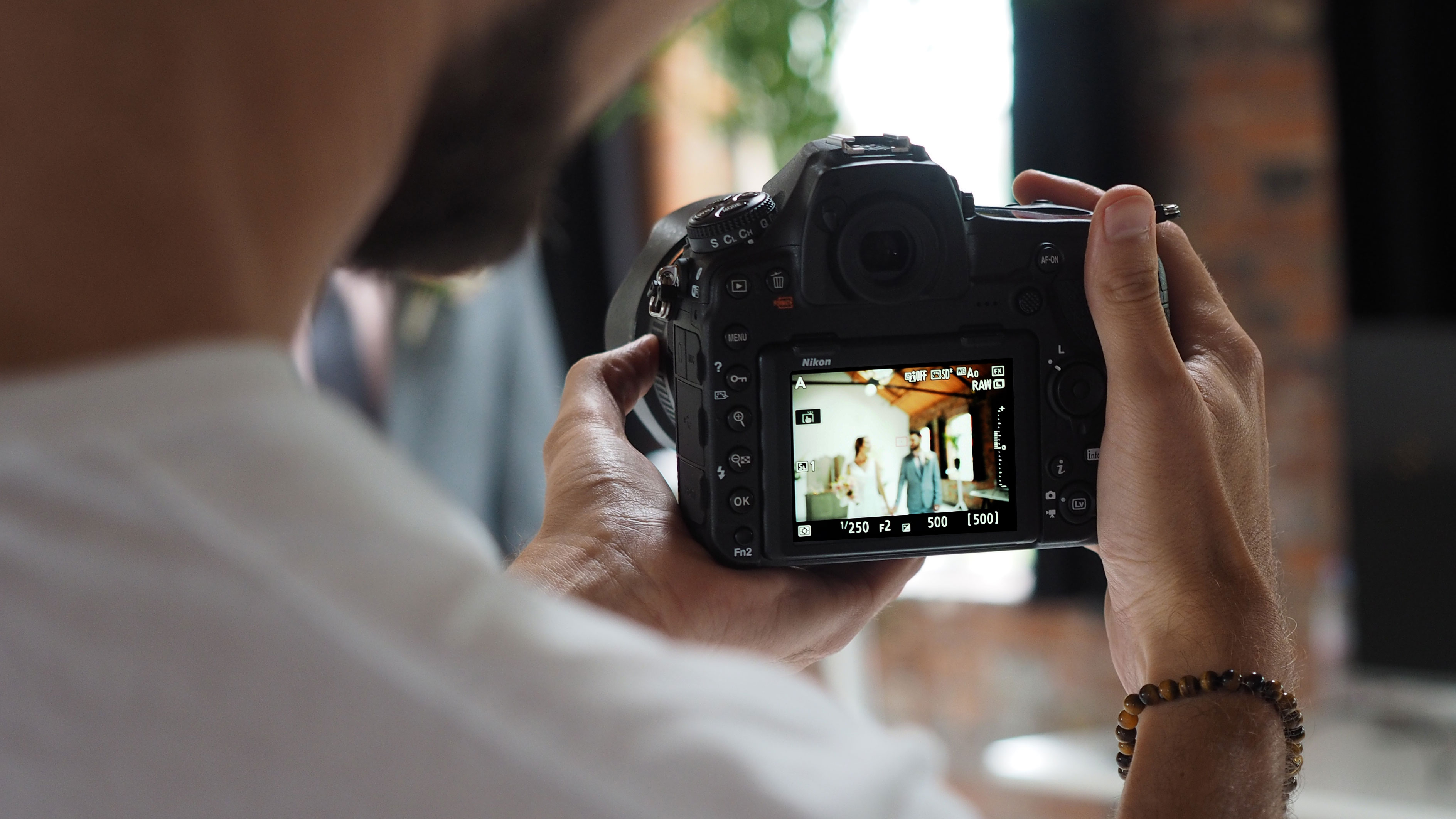
DSLRs are bigger, fatter, chunkier and more 'grippable'. They handle amend with bigger lenses (and lenses are getting bigger, year by year) and they accept more space for external controls, then you spend less fourth dimension navigating digital interfaces and tapping at touchscreens (attempt that when they're damp with mist or rain or you lot're wearing gloves) – and their batteries last all day instead of just the morning.
They as well have optical viewfinders. Mirrorless users might not intendance, simply DSLR fans would never swap the 'naked center' viewfinder epitome of a DSLR for a digital simulation, no thing how skilful.
There's another matter. If you're on a tight budget you'll accept to work difficult to notice a mirrorless camera with a viewfinder for the aforementioned price as a DSLR – and all DSLRs have viewfinders. Actually, we'll get further. Yous will struggle to become a mirrorless APS-C camera with a viewfinder for the aforementioned prices as a Nikon D3500 or a Canon EOS 2000D. DSLRs are yet amongst the best cameras for beginners.
DSLRs are still a neat choice if y'all similar your cameras big, chunky and physical, which is why they are withal among the all-time cameras for professionals. They can do video besides, merely if that's your main interest then probably y'all should be looking at a mirrorless camera instead.
When to cull mirrorless
Mirrorless photographic camera bodies are smaller and, if you lot choose carefully, you can go smaller lenses to become with them – though this simply really holds true with the Micro Four Thirds format, equally APS-C and full frame mirrorless cameras come with lenses as big equally their DSLR counterparts.
If you're an Instagramer, influencer, blogger or blogger, a mirrorless camera similar the Olympus PEN-EPL9 or Catechism EOS M50 is perfect. They're modest, lite and adaptable and have tilting/vari-bending screens that permit you shoot from all sorts of angles. They're slap-up for both video and stills and can easily fit in an everyday bag.
If you're a pro or semi-pro videographer, mirrorless is the fashion to become here, also. This is where all the video development in cameras, lenses, hardware and accessories is happening with cameras like the Nikon Z6 II and Sony A7 III. The Panasonic Lumix S1H is a video-centric mirrorless model that's making inroads into the pro cinema marketplace, and the Fujifilm X-T4 is a mirrorless photographic camera with video specs that are currently out on their own in this price range.
Simply if you're a regular stills lensman who occasionally dabbles in video, the selection is tougher and yous have to decide for yourself which y'all prefer. The marketplace is heading towards mirrorless, but DSLRs are yet pop, and at that place are plenty of people out at that place who would like this resilient and adaptable old camera design to keep on going for ever.
There is one final paradox. Y'all might say that the DSLR pattern is retro, only in fact if yous desire a camera that looks and feels the mode cameras used to, then a mirrorless camera is the way to get! See our guide to the best retro cameras to see why.
Read more:
• All-time mirrorless camera
• Best DSLR
• Best beginner cameras
• All-time cameras for enthusiasts
• Best professional cameras
• All-time cameras for kids
• Best cameras for video
Related articles
Source: https://www.digitalcameraworld.com/features/dslr-vs-mirrorless-cameras-how-do-they-compare
0 Response to "Can You Use Dslr Lenses on Mirrorless Camera"
Postar um comentário